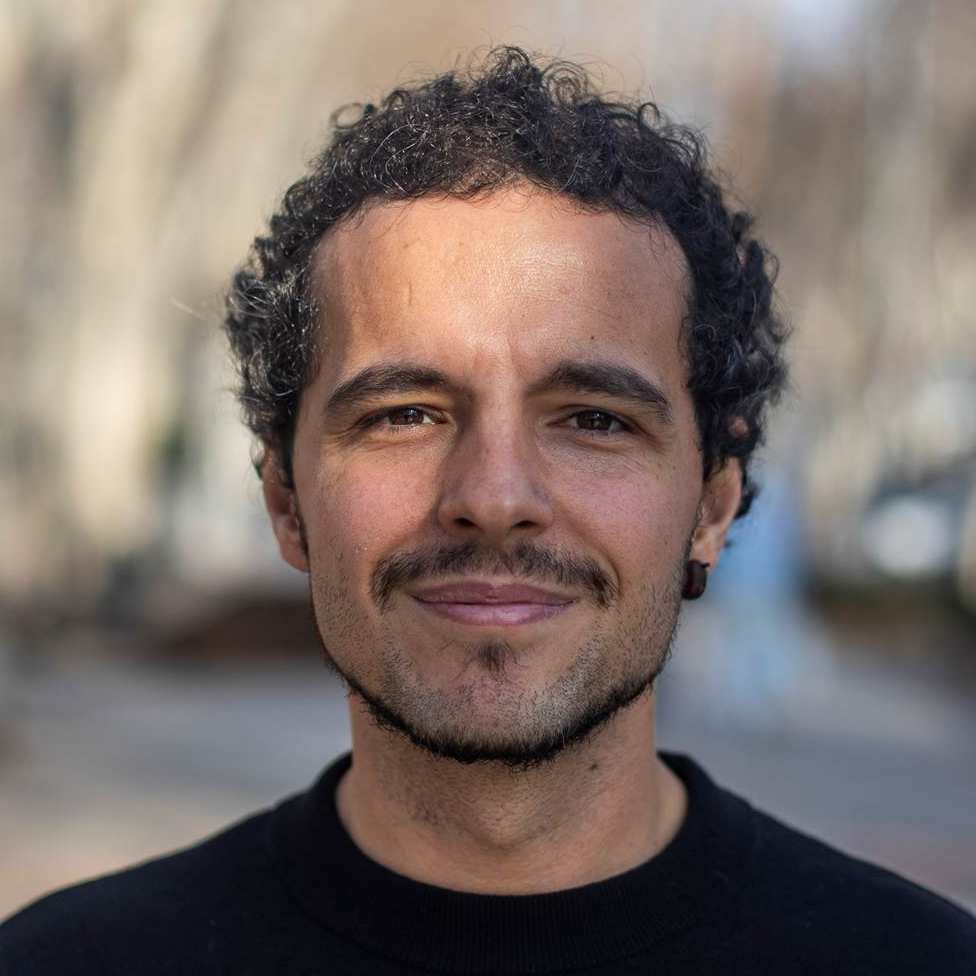
Pedro Gullón
Dr. Pedro Gullón is a public health physician that currently is the General Director of Public Health and Health equity at the Spanish Ministry of Health. His work focuses on public health, health equity, preparedness and response to health emergencies, health protection and the social determinants of health. He has extensive experience in public health research, health policy, and the translation of scientific evidence into decision-making.
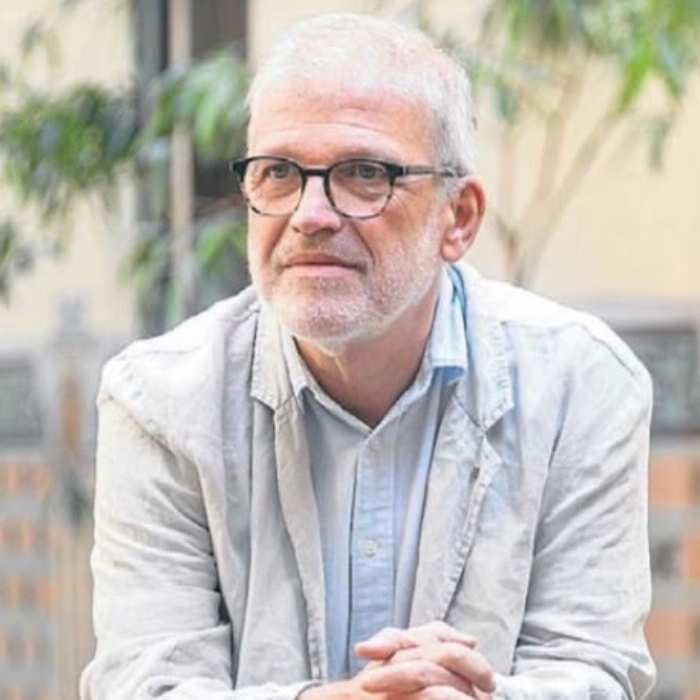
Esteve Fernández
Esteve Fernández Muñoz is a Catalan epidemiologist, researcher, and professor specialized in tobacco control and public health, who has been serving as the Secretary of Public Health of the Generalitat de Catalunya since August 2024. He is a researcher and professor (on special leave) from the University of Barcelona and the Catalan Institute of Oncology. His research activity has focused on tobacco control, ranging from the characterization of the epidemic to the study of its various determinants, as well as how to implement and evaluate preventive and control measures. He founded the Tobacco Contril Unit at ICO and has been the principal or co-investigator in more than 50 national and international research projects, resulting in over 500 scientific articles published in indexed international journals. As Secretary of Public Health, he oversees the areas of health promotion, public health surveillance, food safety, health protection, addiction prevention, and the operational deployment of the Public Health Agency of Catalonia (ASPCAT).

Joan Brunet
Joan Brunet is a medical oncologist, graduated from the Faculty of Medicine in Reus, with a long career dedicated to hereditary cancer. He holds a PhD in Medicine from the Rovira i Virgili University (Tarragona) and a Master in Bioethics and Law from the University of Barcelona. He is Professor of Oncology, Bioethics and Critical Evaluation at the Faculty of Medicine of the University of Girona. He was the founder and coordinator of the Hereditary Cancer Section of the Spanish Society of Medical Oncology (SEOM). He has published more than 200 articles in this field and has led national and international research projects. He is also a member of ERN Genturis (European Network on Genetic Tumour Risk Syndromes of the European Commission). He is also a member of the Advisory Board of the Precision Oncology Programme of CatSalut and coordinator of the Expert Committee on Hereditary Syndromes of this programme.

Cristina Martínez
Cristina Martínez is a Senior Researcher expert in Tobacco Control. She is the Deputy Chief at the Tobacco Control Unit and Assistant Professor at the University of Barcelona. She obtained her bachelor’s degree in Nursing Science and Social Anthropology and pursued postgraduate education in Health Policy at the University of California San Francisco (UCSF) where she is an Adjunct Assistant Professor, at the Department of Behavioral Sciences. Dr. Martínez main areas of research include the evaluation of tobacco control policies in health care services, by assessing the impact of smoke-free policies and evaluating the effectiveness of smoking cessation and training programs. She is currently developing online tobacco cessation training programs for health professionals and conducting implementation projects to foster smoking cessation interventions in health care services. Moreover, she is conducting research to assess tobacco use among mentally ill and drug abuse smokers and design cutting-edge interventions to reduce the burden of tobacco-related diseases in this vulnerable population.
Angela Ciobanu
Angela Ciobanu is a medical doctor and graduated with a Master’s degree in the Hebrew University-Hadassah Braun School of Public Health and Community Medicine and the Doctoral programs at the State University of Medicine and Pharmacy “Nicolae Testemițanu”, Republic of Moldova. For more than 10 years she worked in the National Center of Public Health of the Republic of Moldova starting as a hygienist in food safety department and later as Secretary of the National Codex Alimentarius Committee. In beginning of 2007 she joints the UNICEF Moldova providing consultancy support in the area of communication for behavior change and later in nutrition. In early 2011 she started working for the WHO CO of the Republic of Moldova as national professional officer coordinating the prevention and control of non-communicable diseases. In the second term of 2018 she moved to Copenhagen, Denmark in the position of technical officer in tobacco control of the WHO Regional Office for Europe where is currently working.
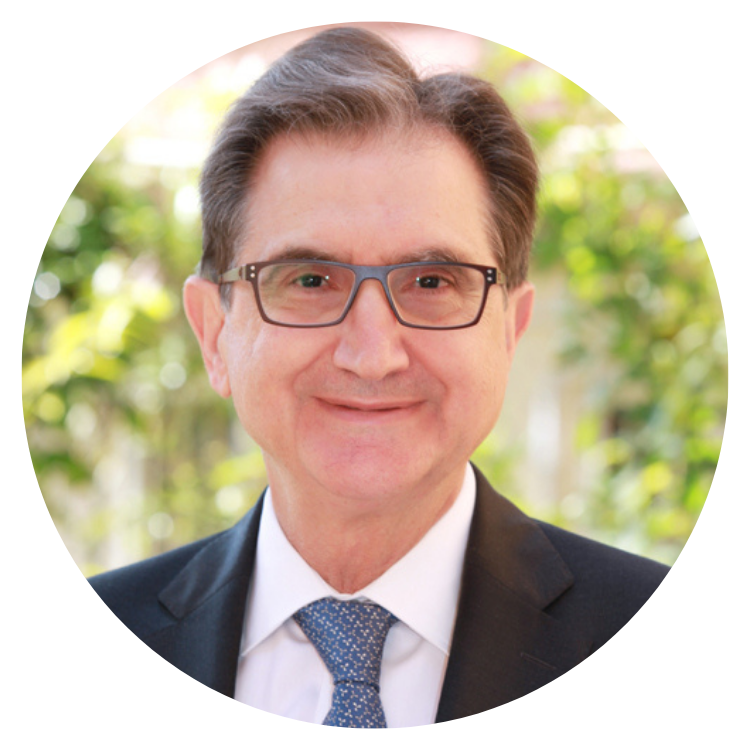
Ghazi Zaatari
Dr. Ghazi Zaatari is Tenured Professor and Chair of the Department of Pathology & Laboratory Medicine at the Faculty of Medicine at the American University of Beirut (AUB). Dr. Zaatari holds his MD degree from AUB (1976) and had residency training in Pathology and Laboratory Medicine at the Johns Hopkins Hospital (1976-1980) and Fellowship in Surgical Pathology at Memorial Sloan Kettering Cancer Center (1980-1981). He joined AUB in 1995 and since 1996 has been Professor and Chair of the Department of Pathology & Laboratory Medicine.
Dr. Zaatari is a member of several local, regional and international pathology societies; he is the Secretary of the International Academy of Pathology, Vice-President of the Arab Board of Pathology and Member of the High Council of the Arab Board of Health Specializations. Dr. Zaatari is the Chair of WHO’s Study Group on Tobacco Product Regulation (TobReg), Member of the Executive Committee of the Tobacco Laboratory Network (TobLabNet), and Director of WHO FCTC Knowledge Hub on Waterpipe Tobacco Smoking. He is the author of 155 publications, several book chapters and pathology textbook and the recipient of several awards and international recognitions.

Armando Peruga
Armando Peruga is physician and a doctor in Public Health. He graduated from the Master’s and Doctoral programs of the Johns Hopkins Bloomberg School of Public Health. In his native Spain, he was the director of the Research Institute on Health and Welfare in Madrid and later became the Dean of the National School of Public Health. In the early 80’s he worked for the Washington DC Commission of Public Health as a behavioral change epidemiologist and began to work with the Pan American Health Organization in 1990. He was the leader of this organization’s tobacco control team until the beginning of 2006, when he moved to Geneva as the coordinator for the capacity building unit of the Tobacco Free Initiative (TFI) of the World Health Organization. He was the program manager for TFI until January of 2016, when he retired from WHO. He is now an associate researcher at the Biomedical Research Institute of Bellvitge (IDIBELL) in Barcelona and the Center for Epidemiology and Health Policy of the Universdad del Desarrollo in Chile.
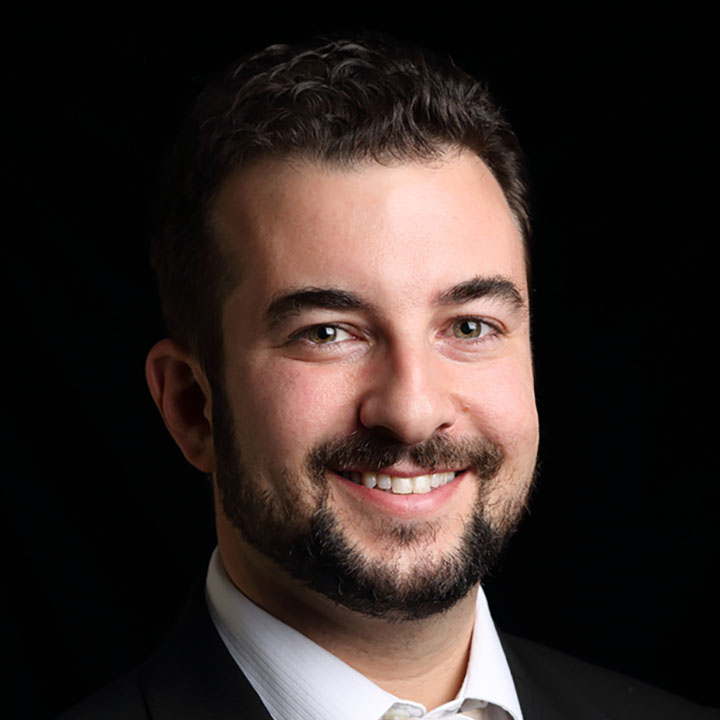
Constantine Vardavas
Prof. Constantine Vardavas is a leading tobacco control figure in Europe whose work focuses on the intersection of tobacco product regulation, evidence-based policy, and public health surveillance. With an extensive background in monitoring the implementation of the European Tobacco Products Directive (TPD), Prof. Vardavas has been a central figure in providing the scientific evidence required to support the European Commission’s tobacco control legislation, including the development of the EU-CEG, the assessment of priority additives, and the assessment of tobacco product flavours. He is currently an Assistant Professor of Epidemiology and Preventive Medicine at the National and Kapodistrian University of Athens and also the Head of the Technical Group of Chemical and Sensory Assessors of the European Commission’s panel for the assessment of tobacco product flavors.
Prof. Vardavas has led numerous international consortia in evaluating the efficacy of the TPD and the regulation of tobacco products —notably EUREST-PLUS, EUREST-FLAVOURS, EUREST-RISE and also co-coordinator of the JATC-1 (EU Joint Action on Tobacco Control).
He currently serves as the Coordinator of the Joint Action on Smoke- and Aerosol-Free Environments (JA-SAFE), the largest EU funded project on tobacco control and a landmark European initiative (2025–2029) aimed at protecting citizens from secondhand smoke and aerosols while advancing the goal of a “Tobacco-Free Generation”.
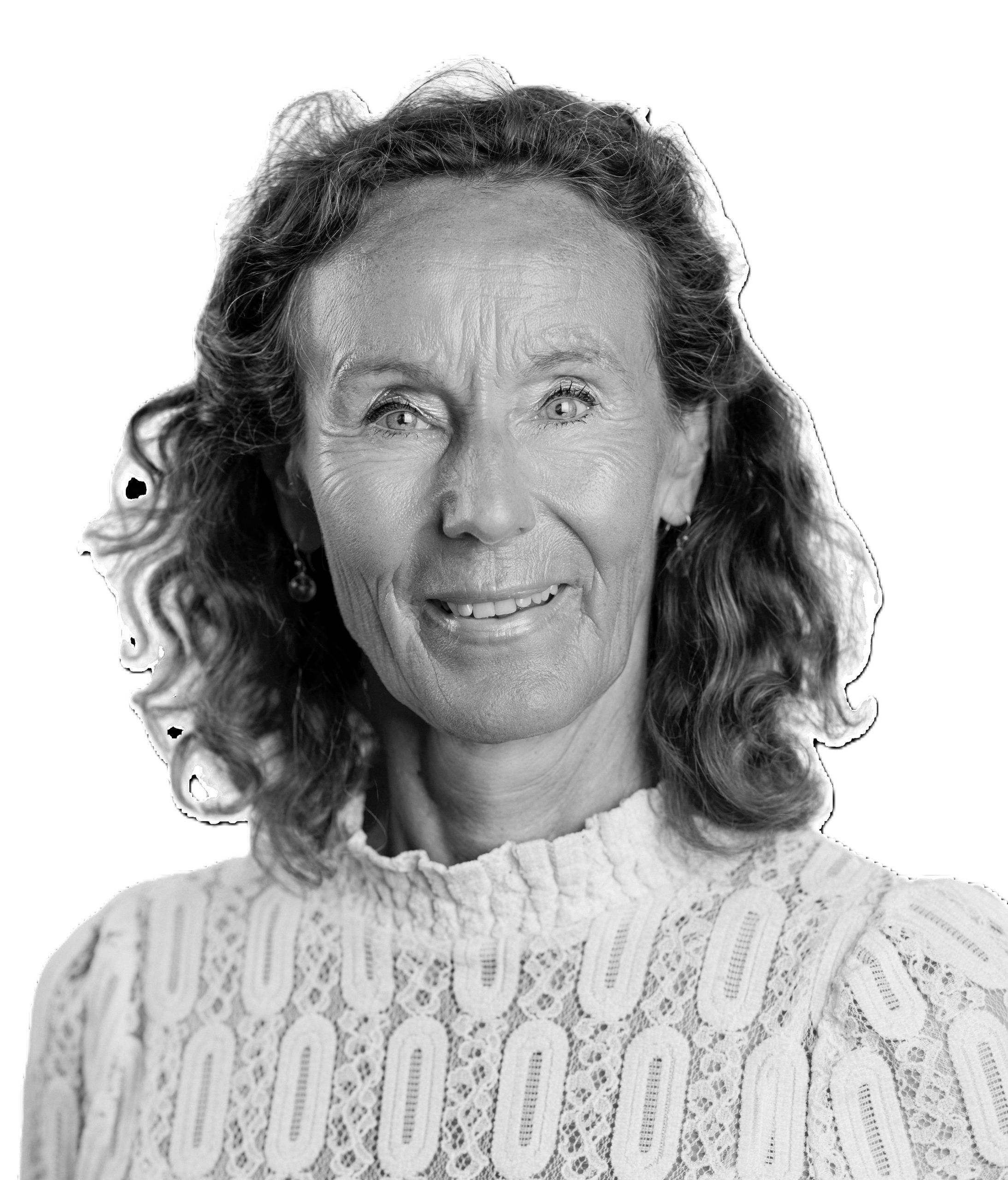
Charlotta Pisinger
Charlotta Pisinger is a medical doctor with a master’s in public health and she is Denmark’s first professor in tobacco and nicotine prevention. She is in the top 1% of scholars writing about Smoking Prevention over the past 10 years. Her research has, among other things, focused on the novel tobacco and nicotine products. Charlotta has received WHO’s award in tobacco control in 2024 and the Danish Public Health Award in 2023, among other awards. She is the former President of Danish Society of Tobacco Research, former head of the tobacco group in the European Respiratory Society and is often used by Danish Health Authorities and as an expert by the European Union and the World Health Organization.
Ángel López Nicolás
Ángel López Nicolás is Professor of Applied Economics at Universidad Politécnica de Cartagena. His recent research has focused on tobacco control policies, with contributions to the design of tobacco taxation, the assessment of the economic impact of smoke-free legislation, and the cost-effectiveness analysis of smoking cessation interventions.
He has collaborated with several civil society organisations and served on the Spanish National Committee for Tobacco Prevention (CNPT) as a representative of the Spanish Health Economics Association, where he was also a member of the Board of Directors. He is currently a member of the expert group advising the Brussels-based Smoke Free Partnership coalition on the reform of tobacco taxation in the European Union.

Laurent Huber
Laurent Huber is the Executive Director of Action on Smoking and Health (ASH) and a recognized leader in global health for his support to the WHO Framework Convention on Tobacco Control FCTC. Laurent joined ASH in 2000, and for over a decade directed the Framework Convention Alliance (FCA), now Global Alliance for Tobacco Control, an international coalition of over 500 non-governmental organizations from more than 100 countries that had an influential role on the FCTC. He now works to strengthen the link between the global tobacco control agenda and the work of the UN Development, Human Rights, Narcotic Control and Environmental bodies with the aim of achieving a world where no one is harmed by tobacco and nicotine. He received the American Lung Association’s C. Everett Koop Award in 2008 and under his leadership the organizations he directed received the Luther Terry Award in 2006 , the WHO World No Tobacco Day Award in 2011 and the U.S. Surgeon General Health Leadership Award in 2014 among others.
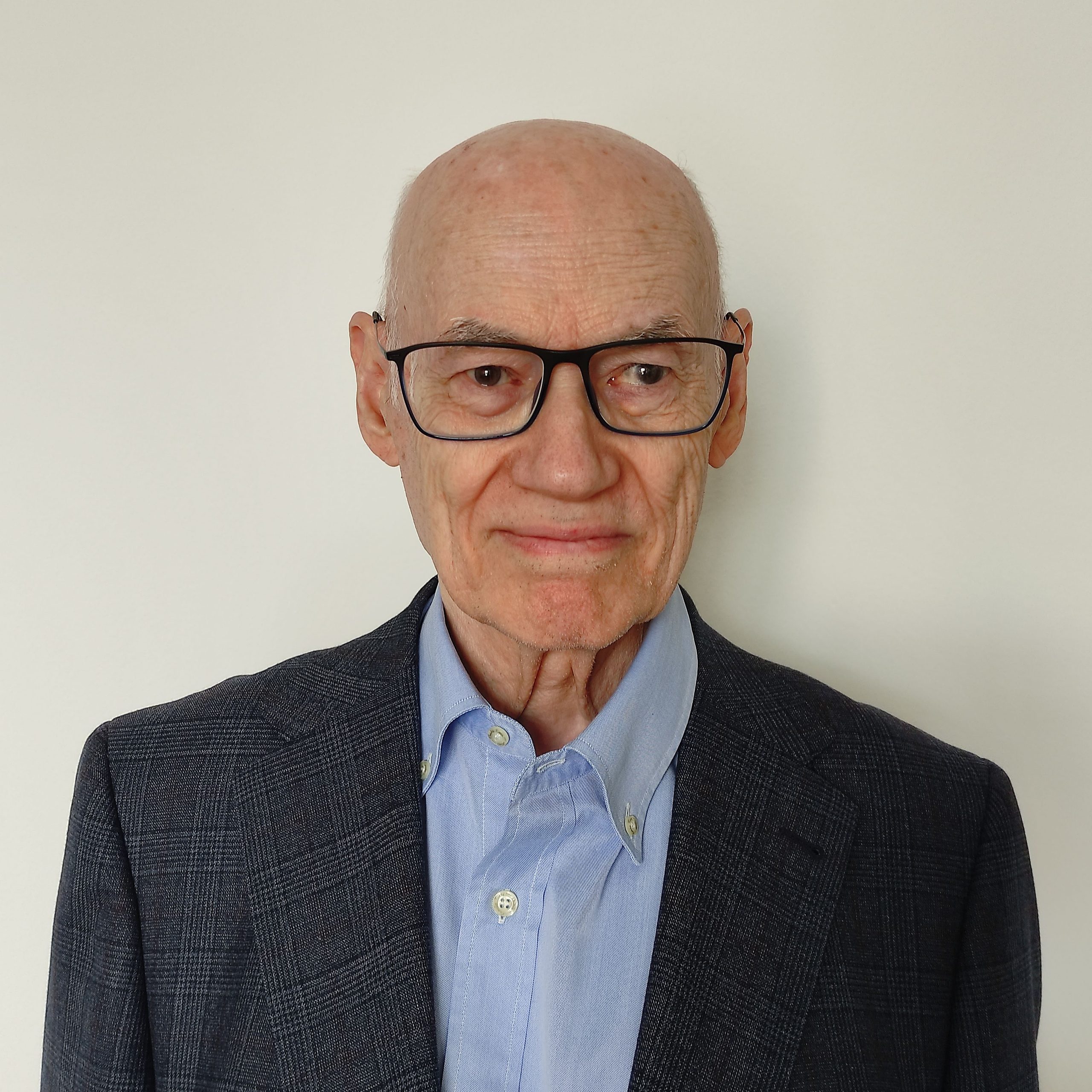
Lluis Bohigas
Lluís Bohigas holds a PhD in Economics and a Master of Public Health from the University of Texas. He was the first Chair of the Spanish Health Economics Society and has served as Director General of Health Planning in both Catalonia and Spain. He is also a full member (Acadèmic Numerari) of the Royal Academy of Medicine of Catalonia.
Maria-Alejandra Cárdenas
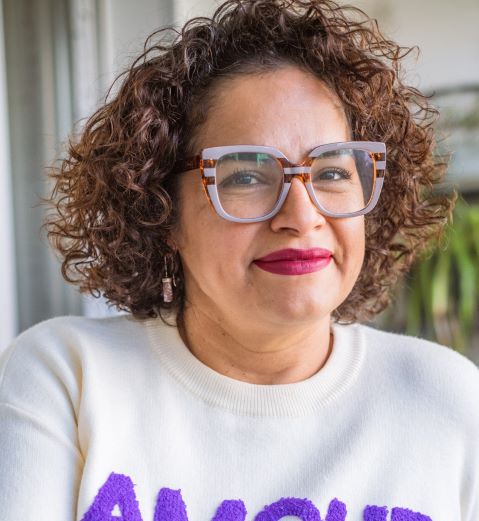
Maria-Alejandra Cárdenas is a legal adviser at the French Directorate General for Health (DGS, Ministry of Health). Since 2017, she has spearheaded legislative and regulatory measures under France’s National Tobacco Control Programme, which aims to achieve the first tobacco-free generation by 2032. She represents France’s positions in EU institutions and at the WHO under the Framework Convention on Tobacco Control (FCTC). She received the 2026 Margaretha Haglund Award for her commitment to securing and enforcing France’s ban on nicotine pouches. She previously served for thirteen years as Executive Director of DNF – Droits des Non-Fumeurs (Non-Smokers’ Rights), an association officially recognised as serving the public interest, where she led litigation and advocacy efforts. Trained in law and political science in Colombia and France, she has over twenty years of experience in tobacco control.
Britta K Matthes
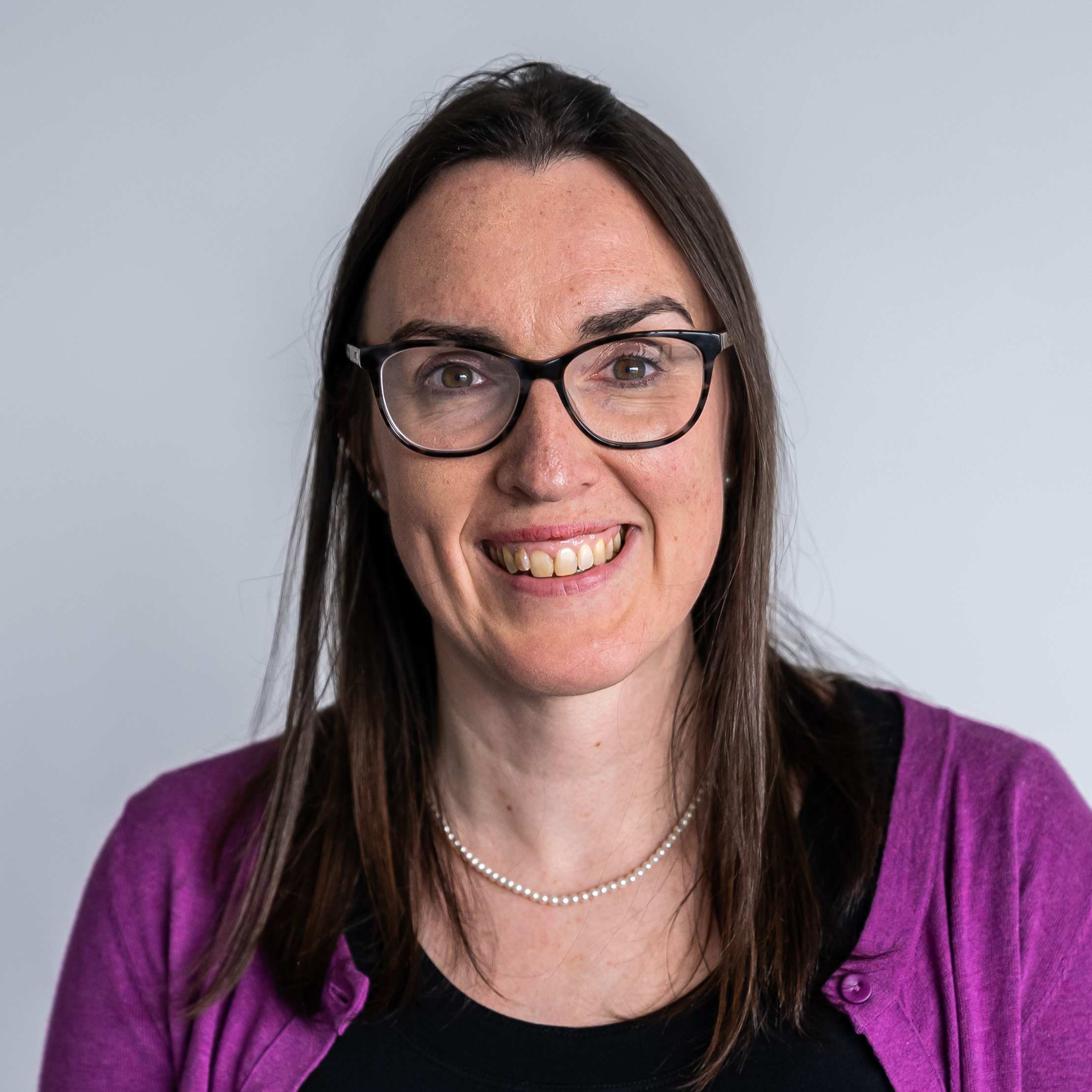
Dr Britta K Matthes is a Research Fellow in the Tobacco Control Research Group at the University of Bath, UK. Her research examines how commercial actors seek to shape, resist and undermine public policymaking and governance, and how governments, institutions and civil society respond. Much of her current work focuses on tobacco industry interference in policymaking, including around tobacco endgame policies and policy implementation. Britta is an Associate Editor of Health Promotion International. She holds a PhD in Social and Policy Sciences from the University of Bath and is an alumna of the Erasmus Mundus Master’s programme in Public Policy.
Ariadna Feliu
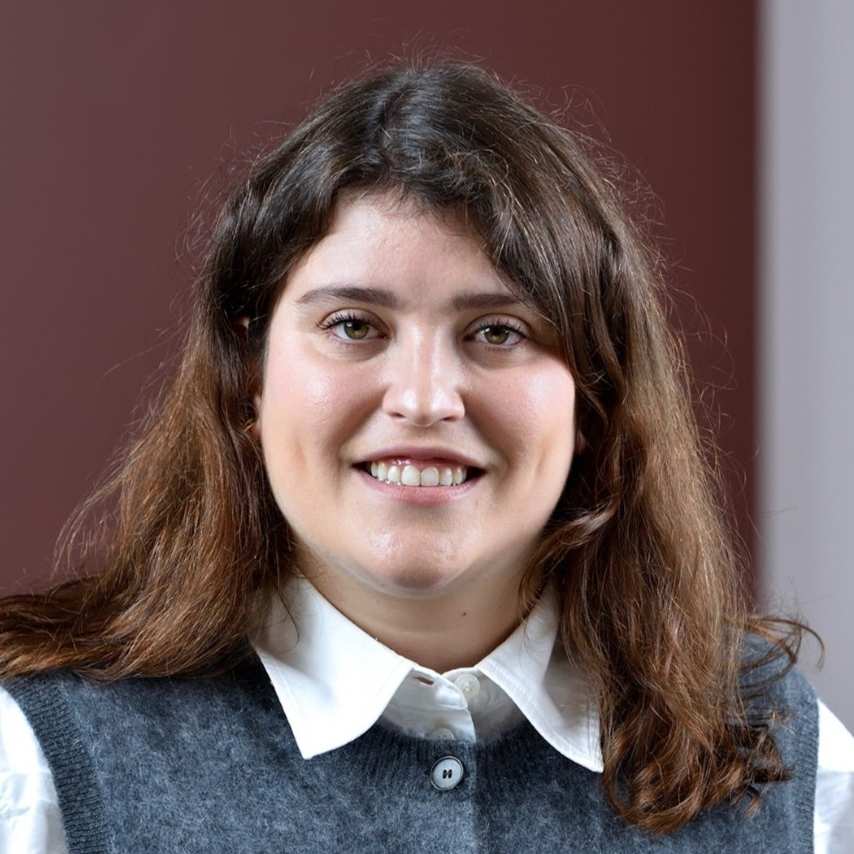
Dr Ariadna Feliu is a Research Fellow at the School of Public Health, Imperial College London, and a Visiting Scientist at the International Agency for Research on Cancer (IARC/WHO). She holds degrees in Biomedical Sciences (BSc) and Law (BA), as well as a Master’s in Public Health (MPH). She completed her PhD at the Catalan Institute of Oncology and undertook her postdoctoral training at the International Agency for Research on Cancer.
Her main research area is the evaluation of policies for cancer prevention and control, with a particular focus on tobacco control. Her current work focuses on the evaluation of forward-looking and endgame-oriented tobacco control strategies across different policy contexts, applying health equity and gender perspectives to ensure protection of the most disadvantaged populations and to reduce social inequalities.
Her work integrates epidemiological methods, implementation science, behavioural science, and policy analysis to inform policymaking and support decision-makers with evidence-based recommendations aimed at increasing the reach and impact of existing regulations and identifying areas where further policy action may be needed.
Laura Vremis
Dr Laura Vremis is a long-standing consultant with the Tobacco Control Programme, Division of Prevention and Health promotion at the WHO Regional Office for Europe, providing support technical support to Member States across WHO European Region in developing, strengthening and implementing evidence-based tobacco control policies and programmes, ensuring their alignments with the WHO Framework Convention on Tobacco Control (WHO FCTC). Her areas of expertise include smoke-free policy development and implementation, tobacco cessation and treatment of nicotine addiction, public awareness and health communication, and NCDs risk factors surveillance, monitoring and evaluation.
She is also a lead expert in implementing Nicotine- and Tobacco-Free Schools initiative at the regional level, supporting countries in creating healthier educational environments.
Dr Vremis holds a master’s degree in public health and a PhD in Medicine.
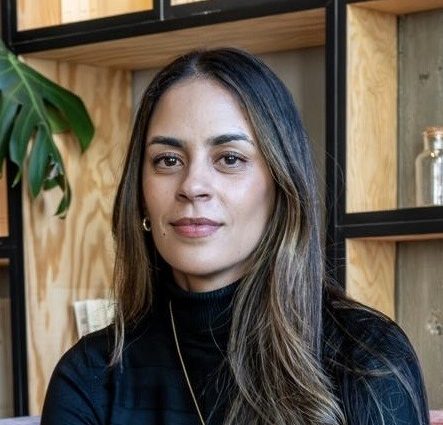
Erin Roman
Erin Roman is the Director of the Smoke Free Partnership (SFP), a European public health coalition working to advance evidence-based tobacco control policies and protect public health across Europe. She joined SFP through the School for Moral Ambition in October 2024 and became Director in November 2025. In this role, she leads the organisation’s strategic direction, policy engagement and advocacy efforts, with a particular focus on EU tobacco taxation, product regulation, advertising and protecting public health policymaking from tobacco industry interference.
Erin holds a PhD in Business Economics from KU Leuven, Belgium, where her research focused on applying Value-Based Healthcare principles to improve resource allocation and efficiency in healthcare systems. Her academic work has been published in several international peer-reviewed journals, including Health Policy, BMJ Open, and BMC Health Services Research. She is also a Guest Professor at Hasselt University, teaching International Business Strategy.
Originally from South Africa and now based in Belgium, Erin combines academic expertise with strategic leadership and practical policy engagement. She works closely with European institutions, policymakers and civil society organisations to strengthen collaboration and advance meaningful public health reforms.
In 2026, Erin was selected as a Belgium’s 40 under 40 Fellow, recognising her leadership potential and commitment to creating positive societal impact.
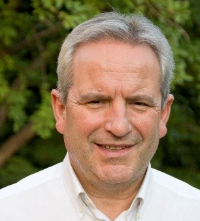
Rodrigo Córdoba García
Rodrigo Córdoba García was born on September 30, 1954 in Girona (Spain). He graduated in Medicine and Surgery from the Autonomous University of Barcelona in 1978. He specializes in Family Practice trained as a resident from 1979 to 1982. Professional career in family practice since 1984 in the Aragon Health Service. Doctor of Medicine from the University of Zaragoza since 1990. Professor, Faculty of Medicine. University of Zaragoza since 1991. He is a member of the Tobacco Group (GAT) of the Spanish Society of Family Medicine and Community since 1998. He was president of the National Committee for Smoking Prevention (CNPT). Member of Program Preventive Activities and Health Promotion (PAPPS) since 1990. He is currently Coordinator of Health Education and Health Promotion of the Spanish Society of Family Medicine and Community semFYC. In 2005 he was awarded the Medal of the Civil Order of Health by the Ministry of Health because his advocacy for smoke free air ban in Spain. He is the author of numerous articles on clinical prevention (tobacco, alcohol, physical activity, …) in a scientific journal articles and numerous outreach activities of prevention and health promotion.
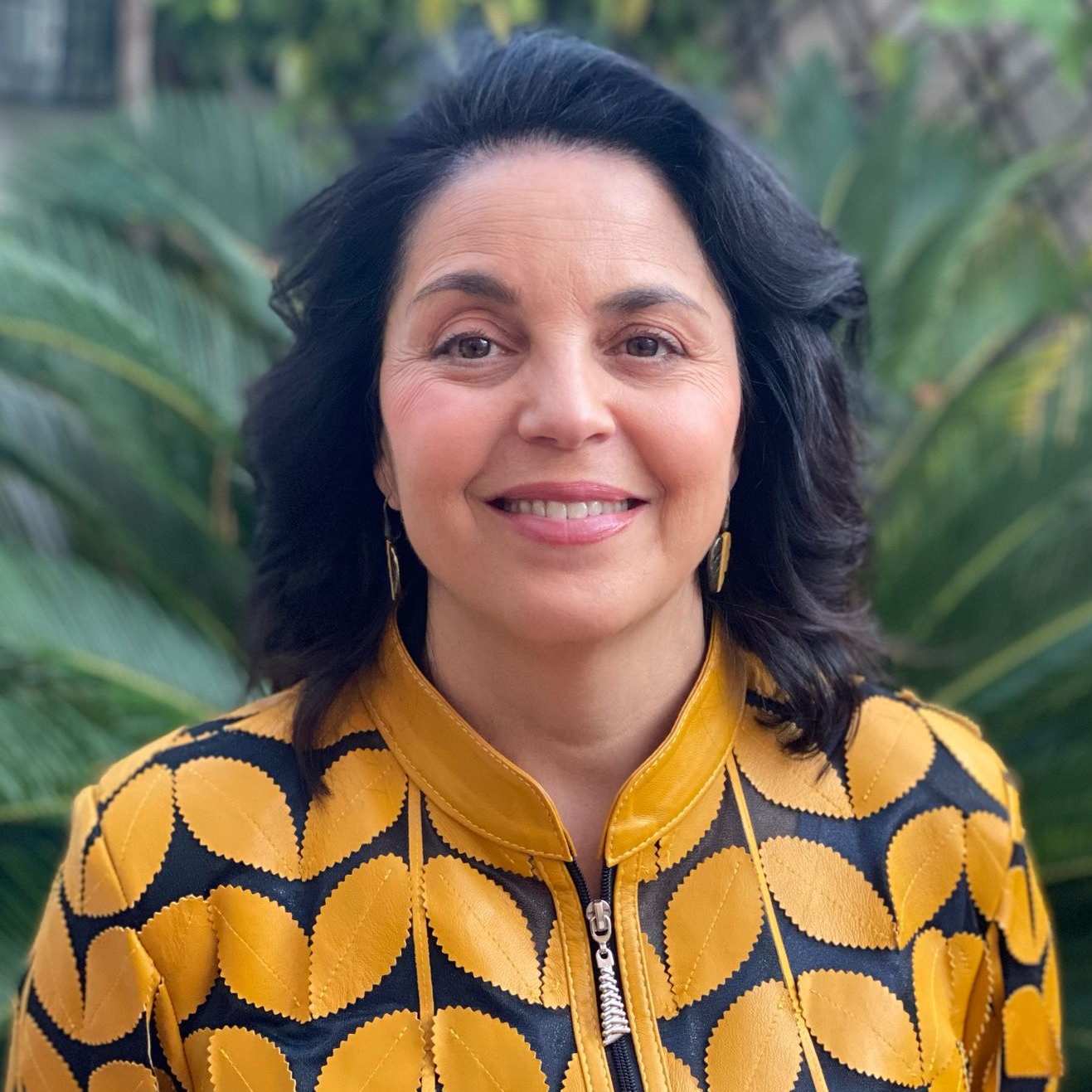
Raquel Fernández
Raquel Fernández Megina holds a degree in Journalism and is the President of Nofumadores.org, an organization that has been fighting against secondhand smoke in Spain since 2005 by advocating for legislative progress, exposing violations of tobacco control laws, and denouncing tobacco industry interference. With over 20 years of activism, she has represented the organization in the media, at conferences, and before public institutions. In 2023, she joined the European Network for Smoking and Tobacco Prevention (ENSP) as Treasurer.Under her leadership, Nofumadores.org has established itself as the leading voice of civil society in tobacco control in Spain, actively participating in legislative processes to introduce ambitious measures to combat nicotine addiction. In 2022, she received the World Health Organization’s World No Tobacco Day Award. In 2023, she spearheaded a Citizens’ Initiative aimed at achieving a tobacco-free generation by 2030, a goal she continues to champion through the ENDGAME 2030 Declaration, which serves as a roadmap towards this objective.